
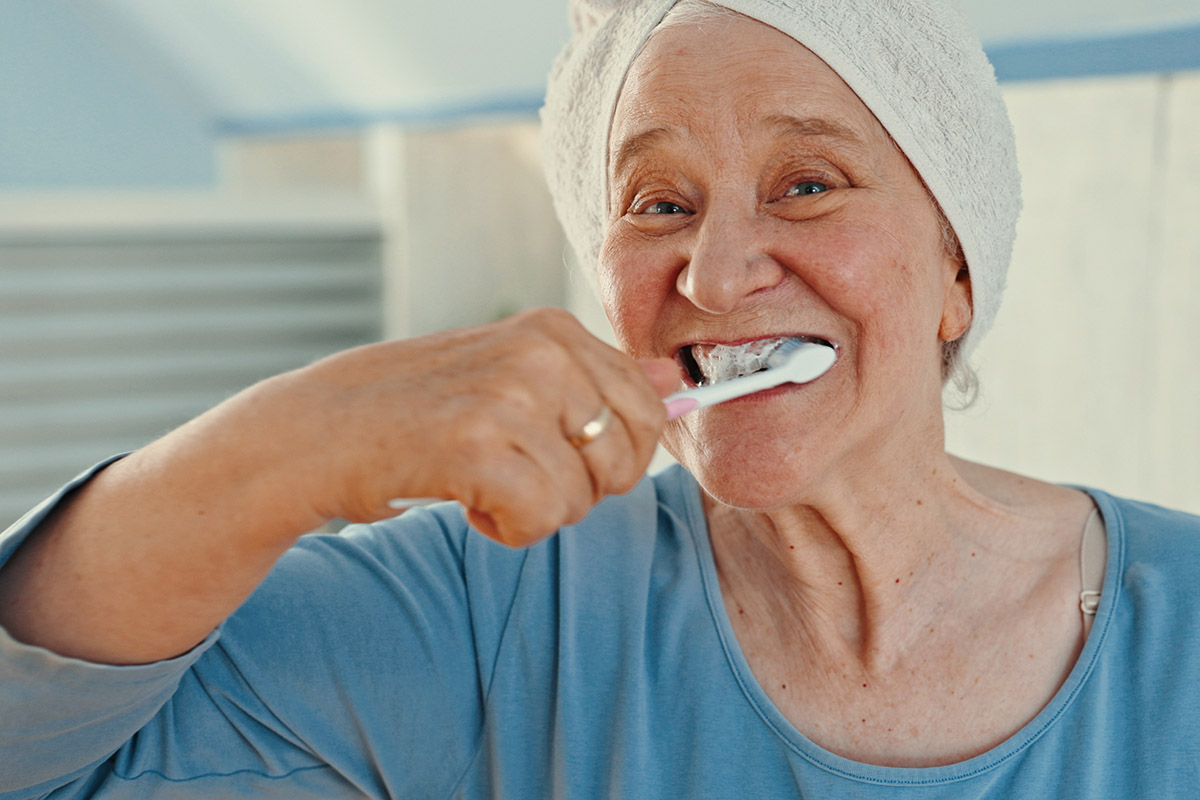
Age is no excuse to stop taking care of your smile. A beautiful and functional smile can last a lifetime.
Although aging brings natural changes, by adopting good habits it is possible to maintain the health of your teeth and gums even in old age.
At this stage, it is important to pay special attention to factors such as gingival retraction, root decay, dry mouth or the adaptation of dental prostheses.
At Clínica Cervera we offer you the most effective guidelines so that older people can enjoy a healthy and comfortable mouth for much longer.
Oral challenges in old age As the years pass, it is common to face several common problems: Gum recession and periodontal disease, which increase the risk of inflammation, bleeding and tooth loss.
Root caries, when the tooth root is exposed.
Xerostomia or dry mouth, associated with medications or diseases, which reduces saliva and promotes tooth decay and oral discomfort.
Partial or total tooth loss, which affects aesthetics, chewing and nutrition.
Difficulties with dental prostheses (fixed or removable), which can cause sores, poor fit, discomfort or difficulty eating if not maintained properly.
Greater susceptibility to lesions in the oral mucosa, including possible precancerous lesions.
Essential oral hygiene habits in the elderly A good oral routine at this stage includes: Brushing after each meal, with a medium-firm brush and fluoride toothpaste.
Daily interdental cleaning (dental floss or interproximal brushes).
Specific care of dentures, removing them before sleeping and cleaning them with the appropriate tools and products.
Choosing alcohol-free mouthwashes and using saliva substitutes or moisturizing gels if necessary.
Regular visits to the dentist In old age, going to the dentist at least twice a year is essential to maintain good oral health.
These check-ups allow for the timely detection of periodontal diseases, cavities or injuries that, in many cases, progress without causing symptoms.
They also serve to check and adjust dentures, avoiding discomfort and problems when chewing.
During these visits, the professional performs in-depth cleanings that eliminate the calculus accumulated in difficult-to-reach areas.
In patients with physical or cognitive dependence, the role of family members or caregivers is key to ensuring that these reviews are carried out.
Nutrition and hydration, allies of oral health Diet plays a fundamental role in the health of teeth and gums.
Opting for fresh foods, fruits, vegetables and dairy products provides essential vitamins and minerals to keep enamel strong.
It is also important to reduce the consumption of sugars and acidic drinks to prevent cavities.
Staying well hydrated promotes saliva production, which helps control bacteria and prevent dry mouth.
In addition, chewing slowly stimulates blood circulation in the gums and improves digestion.
Oral health in the elderly requires consistency, regular check-ups and appropriate hygiene habits.
A healthy mouth not only makes eating or speaking easier, but it also improves self-esteem and overall health.