
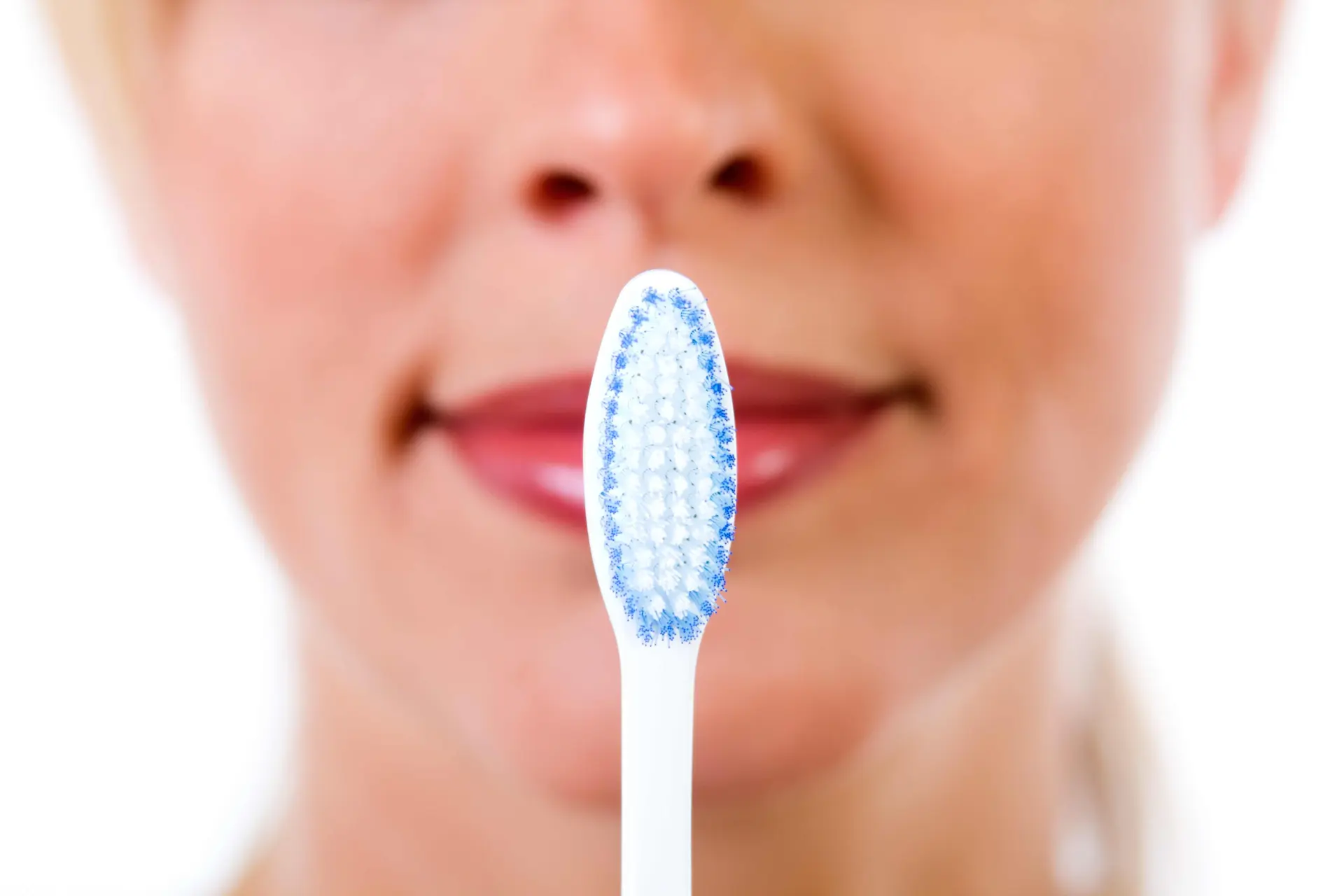
Brushing your teeth is important, but doing it correctly is even more so
Brushing our teeth is part of our daily routine, but we don’t always do it correctly. Sometimes we rush, apply too much pressure, use an unsuitable brush, or forget important areas of the mouth.
Although it may seem like a simple action, poor brushing technique maintained over time can lead to the accumulation of bacterial plaque, gum bleeding, cavities, tooth sensitivity, or enamel wear.
The good news is that most of these mistakes can be easily corrected with good habits and a professional check-up.
Brushing hard does not mean brushing better
One of the most common mistakes is thinking that the harder we brush, the cleaner our mouth will be. However, excessive pressure can irritate the gums, cause gum recession, and wear down tooth enamel.
Brushing should be gentle, systematic, and effective. The important thing is not to apply force, but to reach all areas properly.
It is also advisable to use an appropriate brush, preferably with soft or medium bristles, depending on each patient’s needs. If the bristles are splayed or deformed, it’s time to change it.
Brushing too quickly
Another frequent mistake is dedicating too little time to brushing. To correctly remove bacterial plaque, it is recommended to brush for about two minutes, at least twice a day.
When we brush in a hurry, areas often remain uncleaned, especially the inner part of the teeth, the back molars, or the gum line.
A good way to improve your routine is to always follow the same order: start in one area of the mouth and gradually move until all areas are clean.
Forgetting the spaces between teeth
The toothbrush does not reach all corners. Food debris and bacterial plaque also accumulate between the teeth, which is why interdental hygiene is essential.
Depending on each case, dental floss, dental tape, or interdental brushes can be used. This part of hygiene is especially important for people with implants, prostheses, orthodontics, or gum problems.
If these spaces are not cleaned properly, the risk of inflammation, bad breath, and interdental cavities increases.
Using too much toothpaste or substituting mouthwash for brushing
Using a lot of toothpaste does not clean more effectively. In fact, it can generate too much foam and make us feel like we’ve finished prematurely. The important thing is to use an appropriate toothpaste, preferably with fluoride, and maintain good technique. The amount of toothpaste should be pea-sized.
Mouthwash, on the other hand, can be useful in some cases, but it does not replace brushing or interdental hygiene. It should be understood as a supplement, not as a quick solution to avoid brushing.
In Summary
Brushing your teeth is one of the most important actions for maintaining good oral health, but doing it carelessly may not be enough.
Proper technique, correct interdental hygiene, and regular dental check-ups help prevent problems before they worsen.
If you experience bleeding, sensitivity, bad breath, or have doubts about how to brush correctly, it is highly recommended to schedule a check-up. Sometimes, correcting a small daily habit can make a big difference in your oral health.