
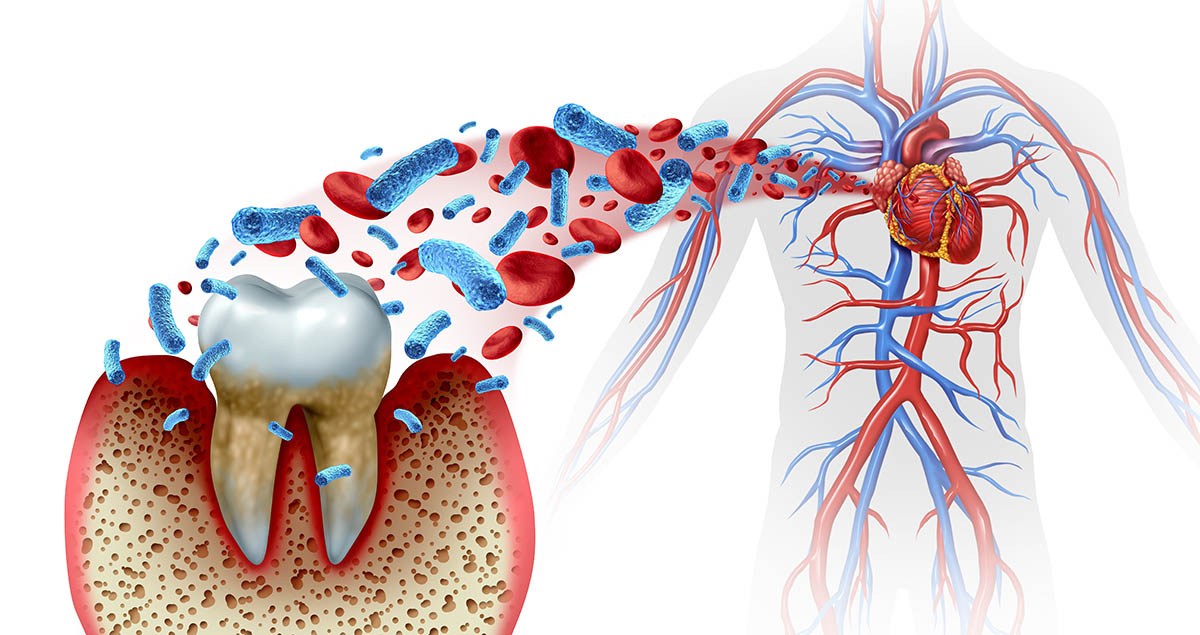
Periodontics: the health of your mouth and your body are related Your oral health is a reflection of your overall well-being The health of your mouth is directly related to that of your body.
Gum disease, called periodontitis, is a bacterial infection that can cause the loss of soft tissue and bone that supports the teeth.
Periodontitis not only affects our mouth, but can also increase the risk of suffering from other serious diseases, such as diabetes, stroke or Alzheimer’s.
Why is there so much talk about gum disease these days?
In recent years, an increase in the prevalence of gum disease has been observed worldwide.
In Spain, it is estimated that periodontitis affects more than 40% of the adult population.
This increase in prevalence is due to several factors, including: Change in eating habits: a diet rich in sugars and carbohydrates favors the growth of bacteria that cause periodontitis.
The aging population: As we age, our immune system weakens, making it more difficult to fight infections.
Smoking: tobacco weakens the gums and hinders their ability to heal, as well as favoring the progression of more aggressive bacteria.
Diabetes, stroke, Alzheimer’s and other pathologies related to periodontitis.
And in this sense, the risk goes both ways; that is, periodontitis can increase the risk of diabetes and diabetes can increase the risk of periodontitis.
How to Prevent Gum Disease The best way to prevent gum disease is to maintain good oral hygiene.
This includes: Brushing your teeth at least twice a day for two minutes.
Use dental floss or interproximal brushes, if possible, once a day to remove plaque and food debris accumulated between the teeth.
Visit the dentist for a check-up and professional hygiene once a year.
What if you already suffer from periodontitis?
Follow your dentist’s instructions to control the infection.
Treatment of periodontitis may include: Professional hygiene: the dentist will remove plaque (“tartar”) accumulated both above and below the gums.
Treatment with antibiotics and oral antiseptics: Antibiotics can help control the bacterial infection.
Surgery: in the most extreme cases, related to the loss of soft tissues or teeth, it may be necessary to perform some type of surgery, to decontaminate the deepest points and regenerate them if possible, as well as gum reconstruction or placement of dental implants.
The health of our mouth is directly related to that of our body.
Therefore, if you notice that something is wrong with your mouth (your gums are bleeding, your breath smells, or you notice that a tooth is moving, for example) consult your dentist so that he can review your case and treat you appropriately.
And, above all, maintain good oral hygiene, because it is the key to avoiding the risk of suffering from other types of diseases.