
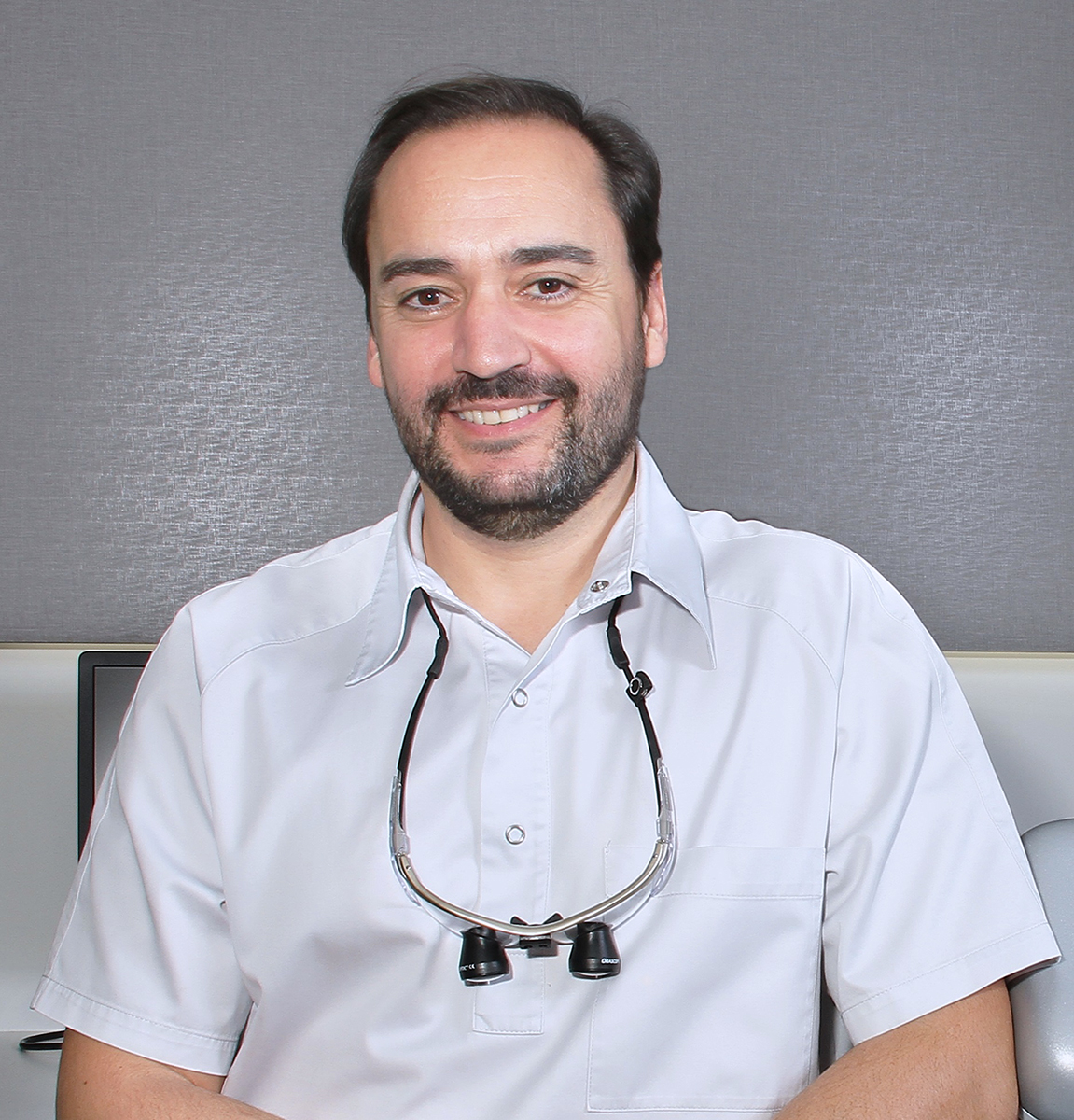
Dr.
Cervera: “Dental implants need the same care as natural teeth” The medical director of Clínica Cervera responds to the main concerns about implants. Many call it the “third dentition”.
Dental implants are considered the most important dental advance of recent years, as they are capable of replacing lost teeth with stability equal to or even greater than natural teeth.
Does this mean that dental implants are forever?
Can we finally forget about our toothbrush and our dentist?
The Dr.
Santiago Cervera answers the main questions that have arisen around this topic.
Q: Do dental implants last a lifetime?
Dr.
Cervera: According to data from the Spanish Society of Periodontics and Osseointegration (SEPA), 98% of implants integrate into the bone after placement and, at 15 years old, more than 90% of those placed in the upper jaw and mandible continue to function properly.
But although the success rates are overwhelming, dentists cannot guarantee 100% that dental implants will last a lifetime, as it depends on multiple factors.
Q: What are these factors on which the duration of implants depends?
Dr.
Cervera: The duration of dental implants depends fundamentally on the particularities of the patient.
Poor oral hygiene, being a smoker, poorly controlled diabetes, having previously suffered from periodontal problems, osteoporosis or even bruxism are some factors that can generate complications.
Other causes that influence the duration of dental implants are their quality, the experience and professionalism of the dentist who placed them, and especially the maintenance treatment that is followed.
Because implants must be taken care of, they are not a miracle that we can forget about later.
Q: How should we take care of it?
Dr.
Cervera: At least as good as with natural teeth, that is, with good oral hygiene at home and regular visits to the dentist.
Good oral hygiene consists of brushing our teeth at least twice a day following these four steps: rinsing our mouth with water before starting; brushing our teeth, without forgetting our tongue, dry or with toothpaste; using dental floss or interdental brushes; and not rinsing our mouth with water after brushing to let the paste work, if you have used it.
Q: What consequences could it have if we ignore these warnings?
Dr.
Cervera: Possibly, we would end up suffering from so-called peri-implant diseases, which are pathologies of infectious origin caused by bacteria very similar to those that cause periodontitis or “pyorrhea”.
Initially, the gum surrounding the implant becomes inflamed, reddened and bleeds spontaneously or when brushing.
It is what we call mucositis, it is a reversible process if we take the appropriate measures.
However, if we do not pay attention to this first warning sign, mucositis could lead to peri-implantitis, which would destroy the bone that supports the implant, and it would end up being lost.
Unlike mucositis, peri-implantitis is difficult to treat and can leave us with aesthetic sequelae, such as recessions in the gums.
Therefore, it is essential that we act as soon as possible. + info: Dental implants