
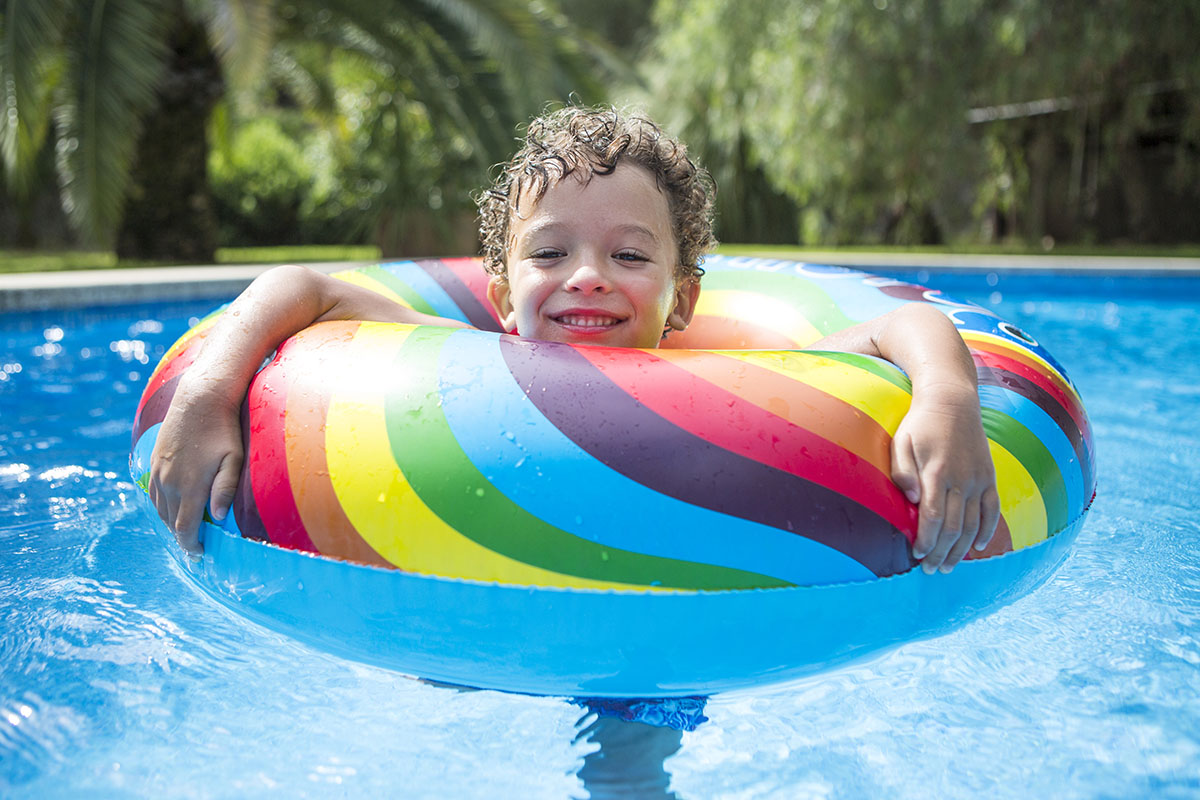
Tips to protect your oral health during the summer Summer is the perfect time to enjoy a good dip in the pool, but the chlorine used to keep the water clean can negatively affect the health of your teeth.
Although it is essential for eliminating bacteria and other pathogens, its prolonged use can cause erosion of tooth enamel, making teeth more susceptible to discoloration and wear.
At Clínica Cervera, we offer you a guide to protect your smile while you enjoy the pool.
Effects of chlorine on tooth enamel Tooth enamel is the outer, protective layer of teeth, which acts as a barrier against acids and bacteria that can cause cavities and other oral problems.
However, frequent contact with chlorine in swimming pools can compromise the integrity of this natural shield.
Chlorine, when it interacts with water and other chemical components present in swimming pools, can form acids that are especially harmful to enamel.
One of the main consequences of this exposure is the erosion of enamel.
This erosion is a gradual process where the protective layer of the tooth wears away, leaving the dentin exposed, which is softer and more sensitive.
This wear can not only cause an increase in tooth sensitivity, especially when consuming cold, hot, or sweet foods or drinks, but it also makes teeth more prone to discoloration.
Teeth can take on a yellowish hue due to the loss of the white, shiny surface layer of enamel.
Additionally, prolonged exposure to chlorine can lead to a buildup of a film of hydrochloric acid residue on the surface of the teeth.
If not properly removed through good oral hygiene, this film can mineralize and become “tartar”, a hard deposit that adheres to the tooth and can only be removed through professional hygiene.
Tartar not only affects dental aesthetics, but also creates a favorable environment for the proliferation of bacteria, increasing the risk of developing cavities and periodontal diseases, such as gingivitis.
Preventive measures to protect your teeth To minimize the impact of chlorine on your teeth, it is essential to take some precautions before and after swimming: Shower before and after swimming: This helps reduce chlorine contact with the skin and teeth, eliminating any chemical residue that may be present.
Use fluoride toothpaste: Fluoride is known to strengthen tooth enamel, helping to protect teeth against erosion caused by chlorine.
Gargle with alcohol-free mouthwash: Alcohol-free mouthwashes help remove chlorine residue from the mouth without causing additional dryness, which is crucial for maintaining a healthy oral environment.
Limit the consumption of sugary foods: Sugary foods increase acidity in the mouth, accelerating the demineralization of enamel.
Reducing its intake helps maintain a balanced pH.
Opt for well-ventilated or outdoor pools: This reduces the concentration of chlorine in the environment, decreasing its inhalation and contact with the oral mucosa.
Chlorine is essential for keeping swimming pools safe, but it could be harmful to your teeth if proper precautions are not taken.
By following these simple tips, you can enjoy the summer without compromising the health of your smile.