
We explain its impact on oral health. Sjögren’s syndrome is a chronic autoimmune disease that mainly affects the glands responsible for producing tears and saliva.
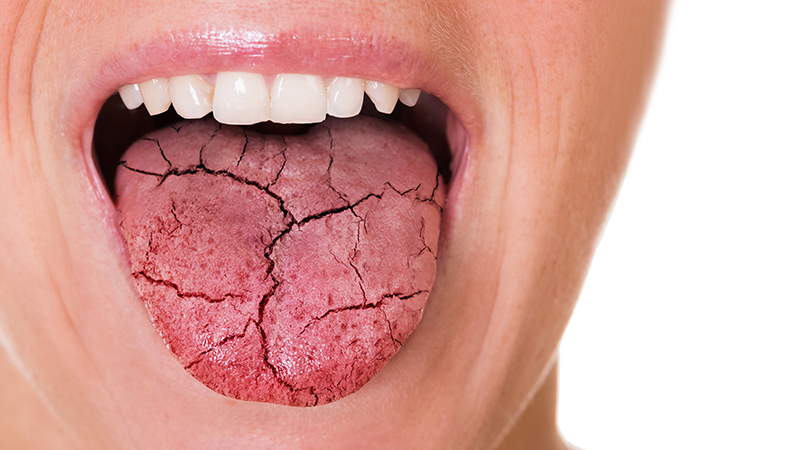
This condition causes a significant reduction in the production of these fluids, which results in dry mouth (xerostomia) and eyes (xerophthalmia).
It can also impact other parts of the body, such as the skin, joints, even the lungs or vaginal mucosa.
However, it is in the mouth where its effects are most visible.
Impact on oral health Dry mouth is one of the most common and debilitating symptoms of Sjögren’s syndrome.
Saliva plays a crucial role in protecting teeth and gums.
When its flow is reduced, the natural balance of the mouth is altered, facilitating the appearance of cavities, infections and periodontal diseases.
Dryness also makes daily tasks such as chewing, speaking and swallowing difficult, thus affecting the quality of life of people who suffer from this disease.
People with Sjögren’s syndrome are also more likely to develop oral infections, such as thrush, and may experience persistent bad breath due to the lack of natural hygiene offered by one’s own saliva.
The dentist, an ally in the treatment The dentist’s role in the treatment of Sjögren’s syndrome is key.
Due to the high likelihood of dental problems, people with this disease need more frequent oral monitoring.
Dentists can not only detect the early signs of dryness and its effects, but they can also provide solutions that alleviate symptoms and prevent complications.
Among the measures that a dentist may recommend would be the use of saliva substitutes, fluoride treatments to prevent cavities, and specific products such as moisturizing gels or mouthwashes.
In addition, it is essential to educate patients about the importance of rigorous oral hygiene and regular visits to the dentist to prevent problems from progressing.
Additional symptoms of Sjögren’s syndrome Although dry mouth is one of the most visible symptoms, Sjögren’s syndrome can manifest itself in other ways: Extreme fatigue.
Joint pain.
Dry eyes.
Persistent cough.
In addition, some patients may experience discomfort in other organs such as the kidneys and lungs, although these cases are less common.
In oral health, symptoms include swollen gums, tooth sensitivity, and difficulty speaking or tasting food.
Available treatments Although there is no definitive cure for Sjögren’s syndrome, there are effective treatments to relieve its symptoms.
Apart from saliva replacement products, salivary gland stimulating medications can help improve saliva production.
Likewise, constant hydration and the use of humidifiers at home can improve overall dryness.
Conclusion Sjögren’s syndrome has a significant impact on oral health, affecting saliva production and increasing the risk of cavities and other oral diseases.
Dentists play a fundamental role in the early detection and management of this condition, helping patients mitigate the negative effects of their mouth and improve their quality of life.
If you experience dry mouth or related symptoms, don’t let it pass: come and consult us to receive an appropriate diagnosis and personalized treatment.