
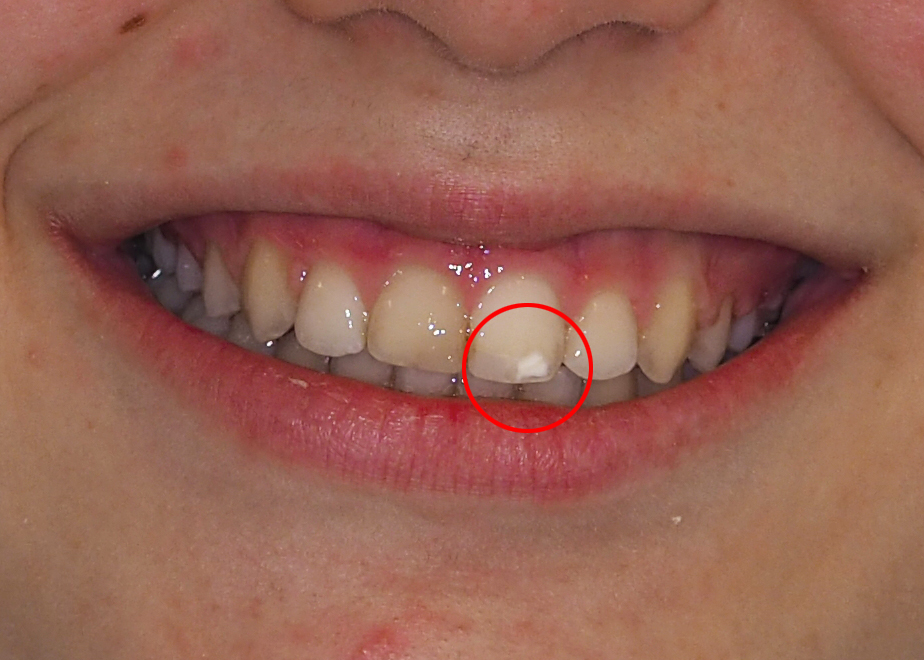
We explain the causes and solutions for these stains. White spots on teeth can be an aesthetic concern and an indication of oral health problems.
These stains, which appear as opaque areas on the enamel, can have several causes and it is important to identify them to prevent and treat them appropriately.
Below, we explain the main reasons why these spots form and what you can do to maintain a healthy and radiant smile.
Causes of white spots White spots on teeth can have several causes, from dental hygiene problems to more complex issues such as nutritional alterations or dental trauma.
Knowing the specific causes will help you better understand how to prevent and treat these stains: Enamel demineralization: Loss of essential minerals due to acids produced by bacterial plaque (beginning of tooth decay).
Dental fluorosis: Excessive exposure to fluoride during childhood.
Dental trauma: Injuries to the teeth during their development.
Nutritional deficiencies: Lack of essential nutrients.
Diseases that affect saliva: Conditions that decrease saliva production, affecting the natural protection of the teeth.
What is the relationship between white spots and tooth decay?
One of the most common causes of white spots on teeth is tooth decay.
The beginning of this disease manifests itself with an opaque whitish coloration, without shine and with a dry appearance.
This early stage of tooth decay is known as enamel demineralization, where essential minerals such as calcium and phosphate are lost due to the action of acids produced by bacteria.
These bacteria ferment the carbohydrates present in the diet, especially sugars, producing acids that attack the surface of the enamel.
This type of white spot is related to poor dental hygiene and a diet rich in carbohydrates.
Excessive consumption of sugary foods promotes the formation and accumulation of bacterial plaque, which is the main cause of dental caries.
Often, this initial stage of caries goes unnoticed by patients, as it does not present pain or other obvious signs.
For this reason, periodic dental check-ups are very important.
The good news is that this stage of decay is reversible.
With proper oral hygiene, a balanced diet and the use of therapeutic fluoride, enamel can remineralize and regain its health before decay progresses to a more advanced state.
How are these stains removed?
Fortunately, there are several effective solutions to treat white spots on teeth, depending on their cause.
From simple treatments to more advanced procedures, it is possible to improve the appearance of your teeth: Application of fluoride: Remineralization of the enamel with gels or mouthwashes.
Tooth whitening: Even out the shade of your teeth to reduce the visibility of stains.
Dental microabrasion: Removal of a thin layer of surface enamel.
Dental laminates or restorations: Cover the surface of the teeth with laminates for a uniform appearance.
Prevention and proper treatment can make a big difference in your dental health and your confidence in your smile.
Remember that prevention is key.
Maintain good dental hygiene, limit your consumption of foods and drinks that can damage enamel, and make sure you receive adequate amounts of fluoride without overdoing it.
Regularly seeing your dentist will help you detect any problems in time and maintain a healthy and radiant smile.
Don’t let white spots dull your smile!